Reviewing the 10 Rights of Medication Administration
There are currently ten rights of administration that nurses need to consider before giving any medication to a patient. In the perioperative environment, ORNAC standards require that circulating and scrub nurses follow seven of these rights:









In the perioperative environment when the patient is under anesthesia, nurses are not able to implement/evaluate the last three rights — the right to refuse, education, and evaluation. Although these rights are not completed by nurses in the OR, they should be done by the perioperative team at various points in the process. For example:
The right to refuse – The surgeon should discuss the medications usually given during a specific surgery with the patient during a preoperative meeting.
The right to education – Postoperative care includes education about medications that have been given during surgery.
The right to evaluation – The perioperative team jointly monitors medication effects during and after surgery. For example:
(ORNAC, 2021)
💬 Communication Highlight – Team Responsibility
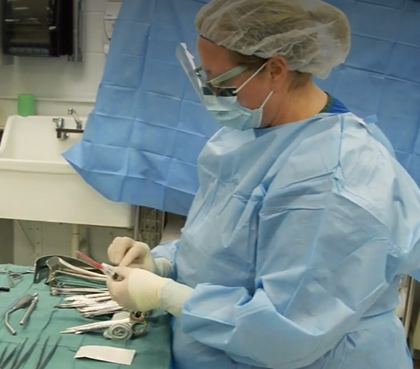
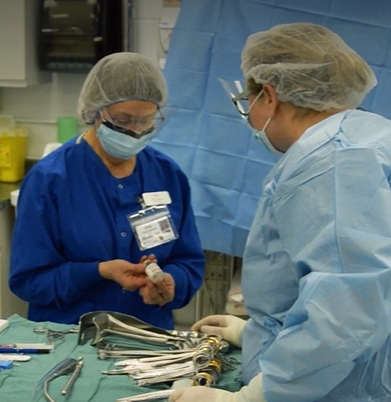
Unlike on a ward, the nurse who obtains and documents the medication is not the one administering it. The perioperative team (the circulating nurse, scrub nurse, and surgeon) share accountabilities for all medications dispensed onto the sterile field. Because of this shared responsibility, it is essential that all medications are communicated clearly and labeled accurately.
💬 Communication Highlight – Verbal Orders
Because the surgeon may order medications during surgery, they may not be able to provide written orders. This means that many medication orders in the perioperative environment are verbal. It is imperative that the circulating nurse confirms orders by repeating them back before administering them.
When the circulating nurse supplies the medication to the scrub nurse, the medication must be verbally verified once more. The scrub nurse must also visually verify the:
- Drug/solution name
- Strength/dose
- Expiration date
(ORNAC, 2021)