Positioning Special Populations
In certain populations, additional considerations are required during patient positioning.
Obese/Bariatric Patients
As the obesity trend rises in Canada, more perioperative patients are falling into this category. These patients typically have other comorbidities and require additional considerations regarding positioning and positioning interventions.
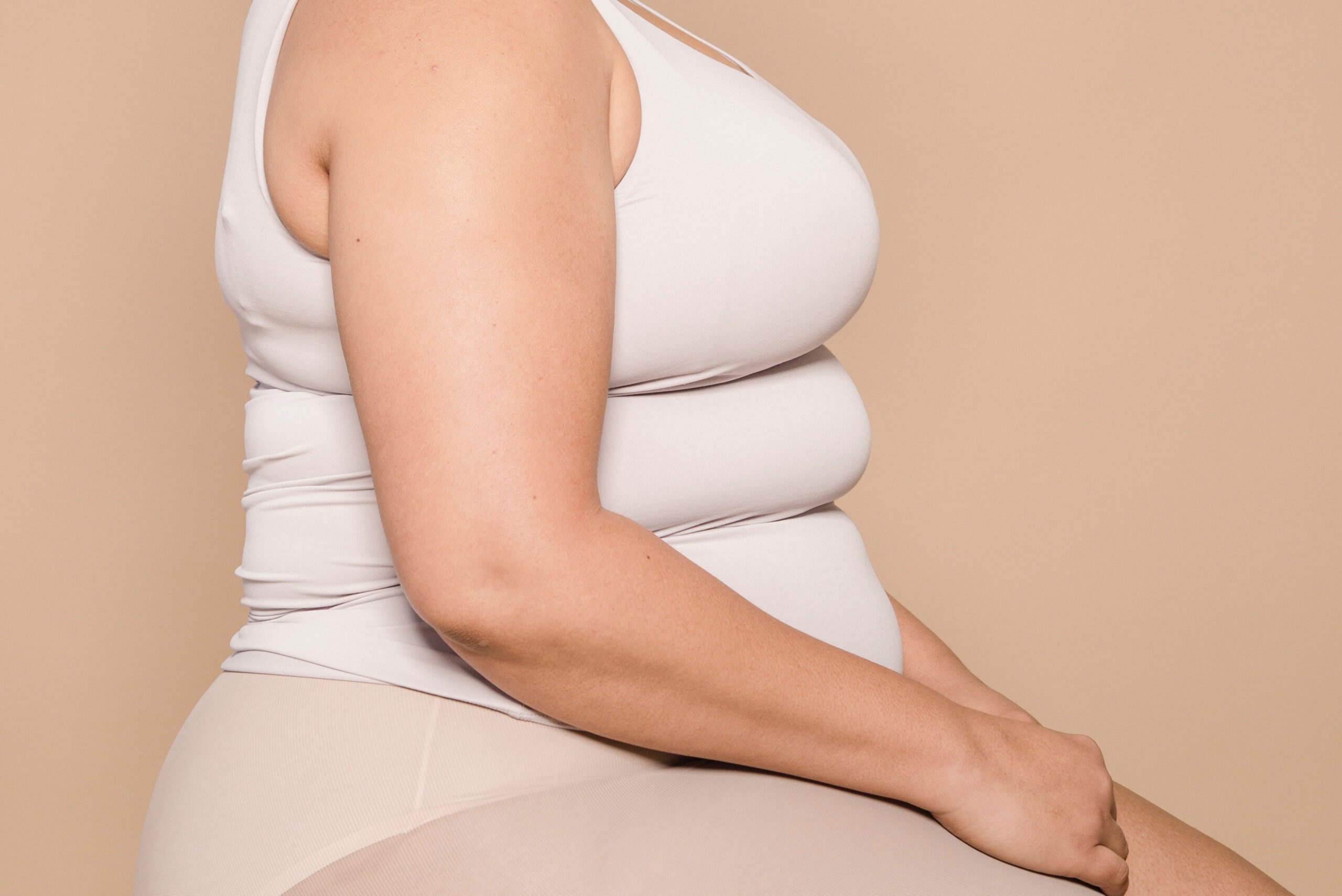
Positioning Interventions for the Obese Patient:
- Ensure the OR table can safely accommodate the patient’s weight and size. Perioperative staff should know the weight limit of each OR table.
- Use appropriate bariatric positioning devices and accessories, such as side extenders, wider safety straps, and gel supports.
- Support the airway using the wedge or blankets/pillows to create head and upper body elevation.
- Avoid stretching the brachial plexus by placing arm boards to match the elevation of the shoulders.
- Support the lower back with a pillow under the knees.
- Use appropriate transfer devices to avoid/reduce friction and shearing of the patient’s skin.
- Ensure you have enough staff to support safe patient transfer.
- Use compression devices for VTE (venous thromboembolism) prophylaxis.
Pregnant Population
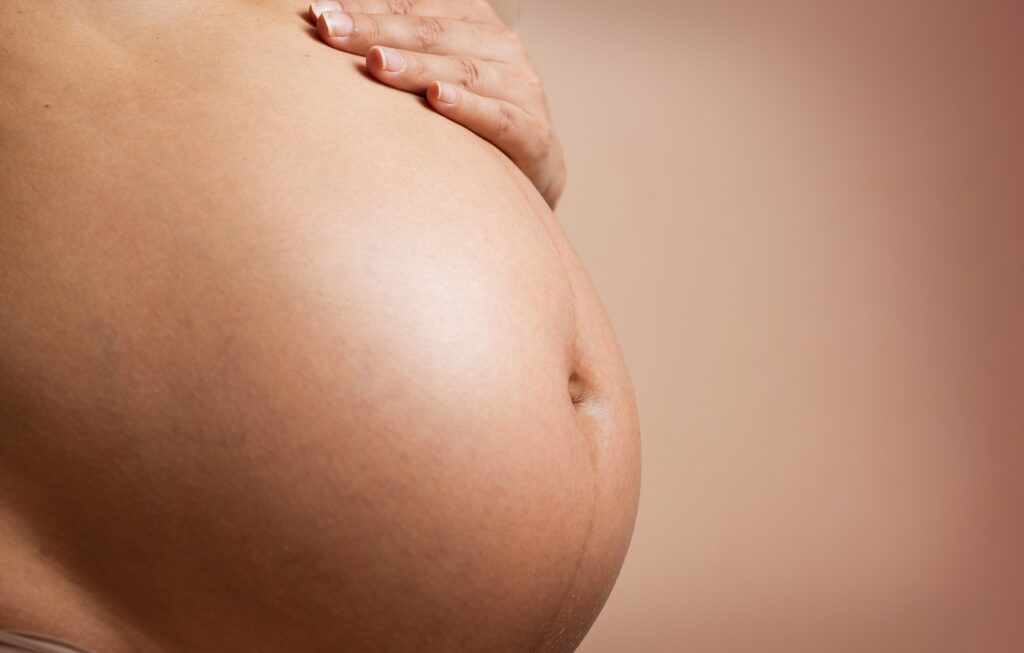
Like obese patients, pregnant patients also have compromised respiratory systems and can experience dyspnea, especially when supine. Pregnant patients should have some elevation to the head of the bed when they are awake for regional and spinal anesthesia. Depending on the gestation of the baby, additional equipment may be required such as a wedge under the right flank to relieve pressure on the vena cava or a troop pillow for induction.
Pediatric Population
When positioning pediatric patients, consideration is required to ensure the right positioning aids for their weight and size.
Infants and toddlers have an increased risk for falls as typically safety straps are not used for positioning. Tape is often used in these cases. Perioperative personnel must remain at the patient’s side throughout the induction process.
Geriatric Population
Geriatric patients are another population who have increased injury risk during positioning due to their decreased collagen production, making their skin much thinner and more fragile. Elderly patients can also be malnourished with more pronounced bony prominences and thinner skin leading to an increased risk for pressure injuries and skin breakdown.
Extra caution is required to ensure these bony areas are protected and padded. In addition, extra caution is required during patient transfer to eliminate shear or friction which can cause skin tears.
(ORNAC (Operating Room Nurses Association of Canada), 2021 & Fawcett, 2019)

📁 Documentation Highlight
There are key elements that must be documented for surgical positioning. These elements are crucial to prevent pressure and nerve injury. They include:
- The position of the patient, e.g., supine, prone, lithotomy, etc.
- Changes to the patient’s position intraoperatively
- Extremity positioning, such as arm flexed, arm extended, etc.
- The use of padding, pillows, and safety straps
- The different positioning devices used such as arm boards, stirrups, gel pads, etc.
- The frequency of passive ROM (range of motion) exercises
- The members of the healthcare team involved with positioning
- Any system assessment and evaluation
(ORNAC, 2021)
🧠 Graded Activity
In Blackboard complete the Graded Activity: Patient Positioning
Summary
- Positioning patients is a collaborative approach and requires the surgical team to work together to ensure patient safety and that the body alignment is maintained.
- To prevent falls, the patient should never be left unattended on the surgical table.
- Nerve and skin injuries can occur with any surgical position. It is important perioperative nurses have knowledge and understanding of the pressure points for each surgical positioning and appropriate ways to pad vulnerable areas.
- The obese population has additional risks associated with surgical positioning and special attention should be taken to ensure the right devices are available.