What is Normothermia?
Normothermia means having a core body temperature ranging from 36°C to 38°C.
Physiologic Response
Autonomic Response
- The hypothalamus is prompted to initiate cooling and warming effects when receptors receive a message of a change in core body temperature.
- The body’s response includes shivering and vasoconstriction.
- Thermoreceptors are found in the hypothalamus, other parts of the brain, skin surface, spinal cord, thoracic and deep abdominal tissue.
Behavioural Response
A change in skin temperature precipitates this response.
People tend to respond by:
- Adjusting the temperature in the room.
- Putting on a warmer item of clothing or blanket.
- Moving to a location where the temperature is warmer.
(Steelman, 2019)

Contributing Factors to the Challenges in Maintenance of Normothermia


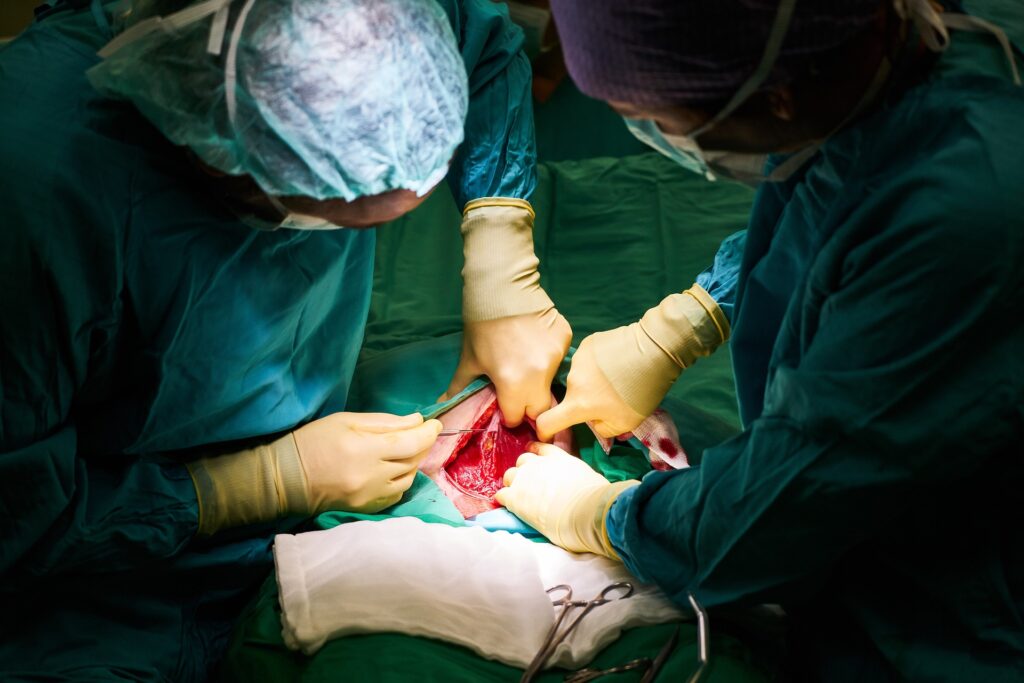
Unplanned Perioperative Hypothermia
Hypothermia is an unplanned event in the OR and can occur through three distinct phases:
- It can occur upon induction of anesthesia.
- There is a decline in temperature about one to three hours after induction.
- The temperature then plateaus at about three to six hours after induction.
Hypothermia occurs when the core body temperature is below 36°C.
- Mild hypothermia is 34°C to 36°C.
- Moderate hypothermia is 30°C to 34°C.
- Severe hypothermia is <30°C.
(ORNAC, 2021; Steelman, 2019)
Complications of Perioperative Hypothermia
There are four major complications related to perioperative hypothermia:

(Steelman, 2019)