Specimen Collection
Surgical specimens are collected at the time of surgery and sent to the appropriate laboratory. These samples provide a more accurate diagnosis, which helps in creating an appropriate plan of care for the patient.
It is critical to label specimens correctly, as mislabelling can lead to serious errors in patient care, such as an incorrect diagnosis, or a delayed diagnosis.
(ONAC, 2021)
📽️ AORN CINE-MED VIDEO
Navigate to the AORN Cine-Med website and make sure that you are logged in before clicking on the link below.
- Watch the AORN Cine-Med Video on Management of Surgical Specimens.
- Download the included Study Guide to follow along.
- (Thread to follow in Cine-Med – patient and worker safety Management of Surgical Specimens)
- Runtime – 50 minutes
Types of Specimens
Microbiology and pathology are the two main types of surgical specimens that are sent to the laboratory for processing and examination.
There are diverse types of surgical specimens including the following.
💬 Communication Highlight
Pre-op communication from the surgeon to the perioperative nurses ensures the proper collection, preservation, and transportation of specimens. This includes ensuring that all the required containers are available for the number of anticipated specimens. It also clarifies specific information that needs to be communicated to the laboratories.
The surgical briefing provides an opportunity for the surgeon to communicate to the entire team, the plan around the specimen types and dispositions.
(Murphy, 2019)
🧩 Practice Activity: Sterile Field and Managing Specimens
Complete the activity by dragging each step into the correct order. Or, selecting one and using your arrow keys. Select “Check” when you feel confident in your answer(s).
🧩 Practice Activity: Specimen Handling and Transport
The scrub nurse and circulating nurse must communicate and verify the name of the specimen, its type, and any unique identifiers.
Complete the activity by dragging each step into the correct order. Or, selecting one and using your arrow keys. Select “Check” when you feel confident in your answer(s).
Formalin Safety Check
- Formalin is a commonly used preservative for surgical specimens that are not taken to the lab immediately.
- The biggest risk to perioperative nurses occurs when placing the specimen into a formalin-filled container.
- Formalin is a potent allergen, mutagen and carcinogen and should be treated with care.
- Appropriate PPE must be worn when handling formalin containers and personnel should be in a well-ventilated area as its fumes are hazardous.
- Ensure you know your institution’s policy and procedure for cleaning up a formalin spill.
(Murphy, 2019 & ORNAC, 2021)
💬 Communication Highlight
Communication is one of the key elements in specimen handling and preventing any errors in the operating room. Using a “repeat back” method of communication allows for verification of the information given. The scrub nurse and circulating nurse must communicate and verify the name of the specimen, its type, and any unique identifiers.
(Murphy, 2019 & AORN, 2016)
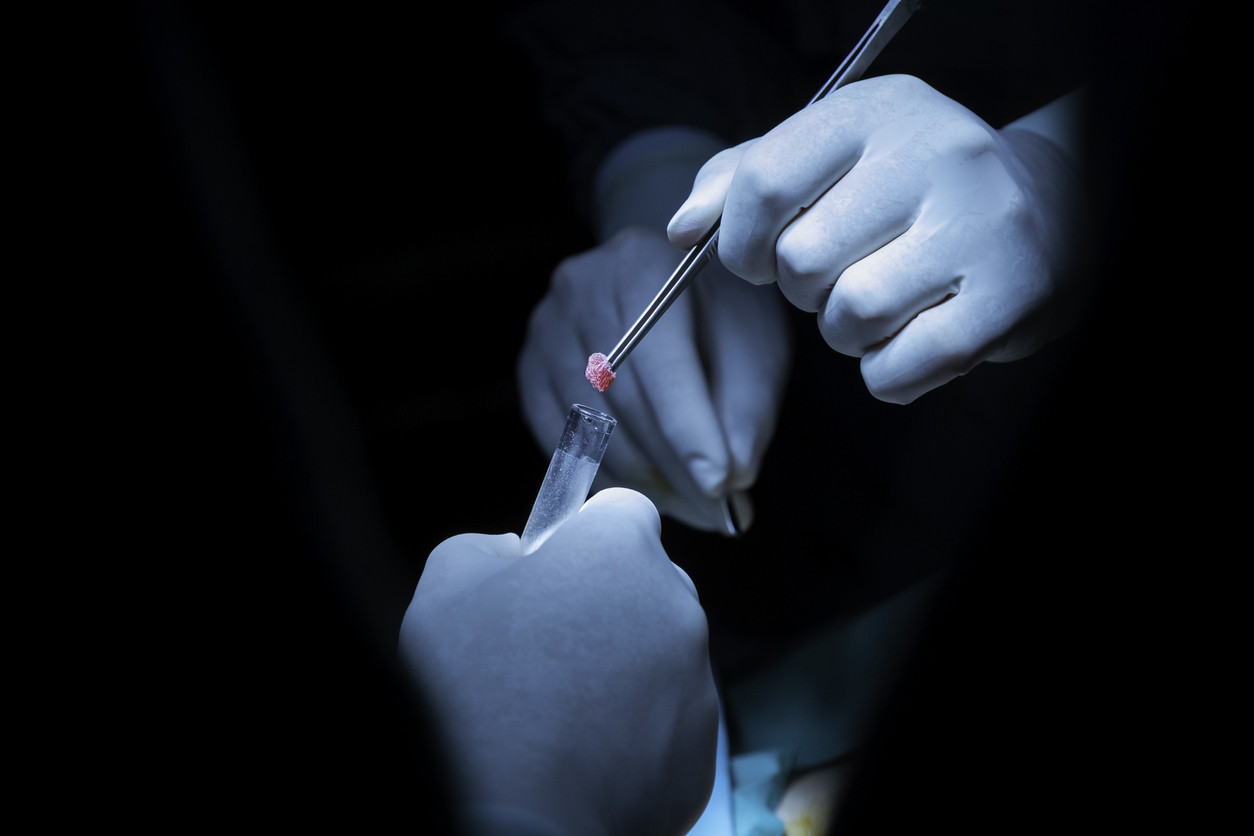
Types of Specimens and How to Manage Them
(AORN, 2016)