Specimen Containers
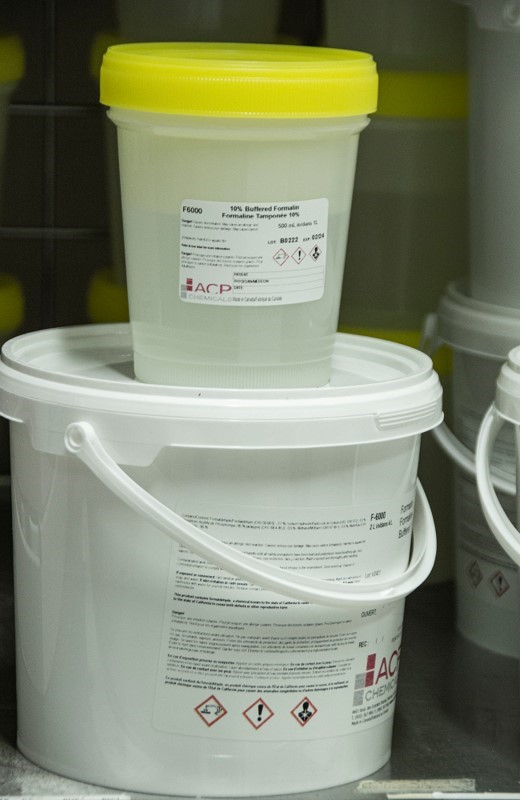
- Sterile container
- Unfilled container
- Pre-filled container
- Culture tube
Choosing the right container:
- The specimen container must have a leak-proof lid.
- It must be puncture resistant.
- Confirm with the surgeon/pathologist for the correct fixative.
- The container must be large enough not to crush or damage the tissue, and to allow the preservative to contact all surfaces of the specimen.
(Murphy, 2019 & AORN, 2016)
Specimen Labelling and Transporting to the Lab
- Confirm the correct patient with two unique identifiers.
- Identify the specimen with the surgeon and repeat the information.
- Ensure the lid is sealed.
- Ensure the label is applied to the container and not the lid, AFTER the specimen is inside. Never pre-label specimen containers.
Transporting the Specimen:
- Fresh/frozen specimens should be sent to the pathology laboratory as soon as they are collected.
- Ensure you know your intuition’s policy on specimen transportation.
- They must be transported in a way that preserves the integrity of the specimen.
- They must be labelled to communicate biohazard information.
- They must be transported in a way that protects patient’s personal health information.
- Follow your institution’s documentation for tracking specimens from retrieval to the appropriate laboratory to establish a chain of command.
(AORN, 2016)
💬 Communication Highlight
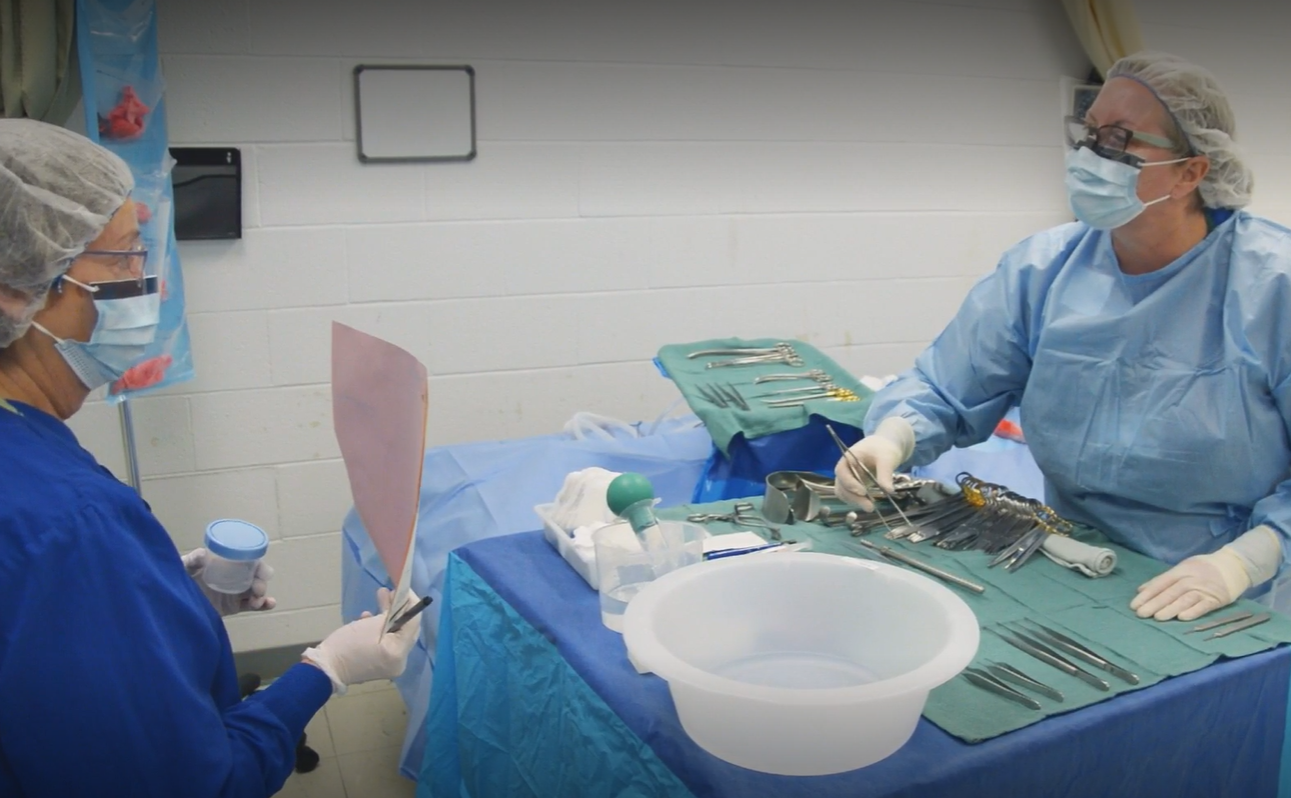
At the end of the procedure, a debriefing allows for the final verification of specimens. The circulating nurse should verify the following:
- Visual confirmation of the specimen in the container.
- The number of specimens.
- The type of specimens (e.g., frozen section, microbiology, permanent section, etc.)
- That patient information is correct on the label and requisition.
- If no specimens were obtained, the circulating nurse should announce this during the debrief.
Care of specimens requires a multidisciplinary approach, and proper labelling, preservation, handling, and transportation are critical to reducing specimen errors. Specimen errors can be caused by unintended actions (slips) or omissions of intended actions (lapses).
- Specimen collection is also a multistage process which can lead to more errors.
- Some of the more common errors are: Unlabelled or mislabelled specimens or missing specimens, accidental disposal
- The most common contributing factors to specimen errors were failures in hand-off communication, staff inattention, environmental issues/distractions, and knowledge deficits.
- Specimen errors can lead to profound consequences for patient care, including misdiagnosis and inappropriate treatment.
- Incident reports must be filed for any errors related to specimens.
(Murphy, 2019, AORN, 2016, & ORNAC, 2021)