Positioning Key Considerations
Musculoskeletal System
Patients who are under a general anesthetic lose their protective muscle tone and pain receptors that alert them when their body is being moved beyond its normal range of motion. The patient’s normal defence mechanisms which help guard from muscle, nerve, and joint damage can no longer protect them when there is stretching and twisting.
Proper body alignment of the anesthetized patient solely relies on those who are positioning them. This should be done as much as possible while still ensuring adequate access to the surgical site. Misaligned joints can lead to unnecessary postoperative pain and discomfort, as well as permanent injury to an extremity. It is important that the perioperative team is aware of any limitations to the patient’s range of motion.
Special Musculoskeletal System Populations
Special considerations are required for elderly patients and those who have severe osteoporosis or other bone diseases. Misalignment or moving beyond their natural range of motion can lead to fractures.
Alignment of the patient’s body must be maintained when turning or transferring them into a position or from the OR table to a bed. This is particularly important when moving a patient from a supine to a prone position or lateral one. Extremities need to be supported to prevent strain on muscles and ligaments.
(Phillips & Hornacky, 2021; Fawcett, 2019)
Nervous System
Surgical positioning for an extended time can place pressure and extension on the peripheral nerves, which can cause short- or long-term injuries. These may include sensory loss or be more severe such as motor loss and/or paralysis.
Common peripheral nerve injury sites include the brachial plexus, ulnar, radial, peroneal, and facial nerves. Patients who are in extreme positions such as the neck or arms at greater than a 90-degree angle can injure the brachial plexus and other superficial nerves. Nerves can be injured due to the stretching or disruption of axons.
Lower body nerve injury such as sciatic, peroneal and ilioinguinal nerves can be caused by improper positioning of stirrups, use of a retractor post, and the OR table itself. The peroneal nerve can also experience pressure by the pneumatic tourniquet sequential compression devices if they are placed too tightly.
Other examples of potential nerve injury are from retraction or manipulation of tissue and nerves intraoperatively by retractor instruments. Facial nerve injury can occur from airway manipulation, elevating the mandible too strongly or straps that are too tight from a head holder.
Who is at Nervous System Risk?
Patients with the following have an increased risk for peripheral nerve injury:
- Diabetes mellitus
- Peripheral vascular disease
- Smoking
- Alcoholism
- B12 deficiency
- Malnutrition
- Advanced age
- Pre-existing neuropathies
It is vital perioperative nurses understand that general anesthesia and regional blocks impair normal communication within the nervous system and the body cannot compensate to make changes.
(Phillips & Hornacky, 2021; Fawcett, 2019)
Respiratory System
Positioning can affect the lungs and respiratory system by impacting the amount of blood being perfused into the lungs. For efficient gas exchange to occur in the lungs, there needs to be a balance between lung perfusion and ventilation. Different surgical positions can interrupt this balance.
Most positions can compromise the respiratory system with the exceptions of the semi-fowler, sitting, and reverse Trendelenburg. In these positions, the abdominal viscera work with gravity and shift downward, NOT upward on the diaphragm. Chest movement must be unrestricted as much as possible to avoid any additional ventilation pressure and further reduction of tidal volume. Therefore, arm placement is important and should be restricted to the side of the body as much as possible, avoiding placement over the chest.
Tidal volume refers to the residual capacity of air moved by a single breath. This can also be affected when the diaphragm shifts upward. To maintain good respiratory function, the patient must have unobstructed movement of the diaphragm and a patent airway.
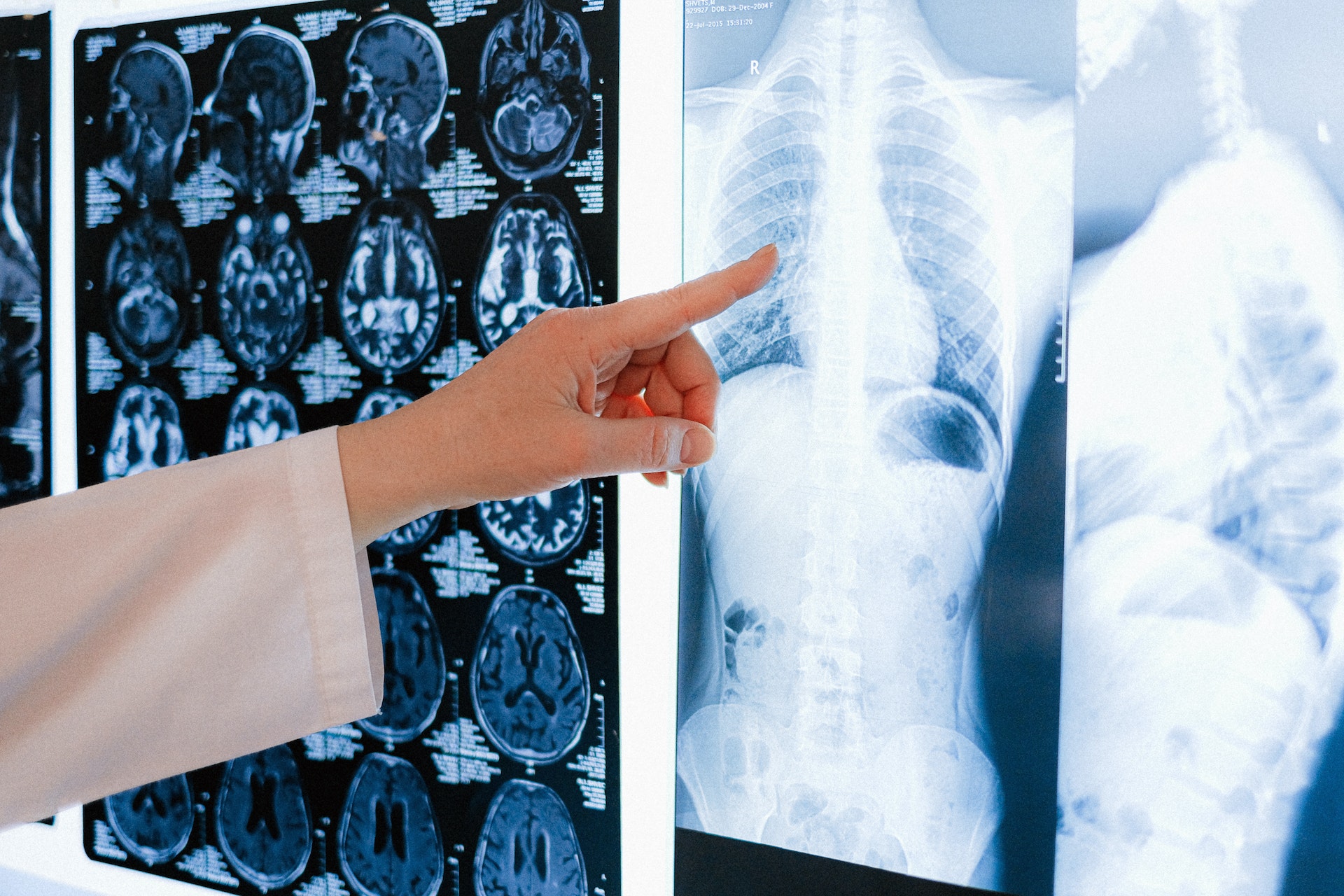
Unhindered diaphragmatic movement and a patent airway are essential for maintaining the respiratory function, preventing hypoxia, and facilitating induction by inhalation anesthesia. Chest excursion is a concern because inspiration expands the chest anteriorly. Some positions limit the amount of mechanical excursion of the chest. Some hypoxia is always present in a horizontal position because the anteroposterior diameter of the ribcage and abdomen decreases.
Who is at Respiratory System Risk?
Patients with the following pre-existing respiratory conditions may be further compromised with surgical positioning:
- Obesity
- Smoking history
- Pregnancy
- Pulmonary disease
A patient’s respiratory status will be monitored constantly through the procedure via a pulse oximeter and in some cases, intraoperative blood gas monitoring.
Special consideration for patients with obesity or other respiratory diseases who experience dyspnea should have the head of the bed elevated. This can be done by using a ramp or elevating the head of the bed when they are under local, regional, or spinal anesthesia if it does not interfere with the surgical access.
(Phillips & Hornacky, 2021; Fawcett, 2019)
Vascular System
When patients undergo general anesthesia, the anesthetic gasses and medications alter the circulatory system, causing peripheral vessels to dilate by depressing the sympathetic nervous system. This vasodilation causes a decrease in the patient’s blood pressure.
Spinal and epidural regional anesthesia are more localized and do not have the same systemic effects.
(Phillips & Hornacky, 2021; Fawcett, 2019)
Vision Loss and Eye Injury
A rare but serious complication is perioperative vision loss. When there is direct pressure on the eyes with the presence of hypotension, retinal artery occlusion may occur. This can lead to temporary or permanent blindness. An implanted intraocular lens from cataract surgery can also become displaced due to direct pressure. Positioning patients when there will be pressure on the eyes needs to be closely monitored. Even patients in the prone position without direct pressure are at risk for increased intraocular pressure, which can lead to ischemic optic neuropathy.
Who is at Vision Loss and Eye Injury Risk?
Additional risk factors for perioperative vision loss include the following:
- Male gender
- Obesity
- Large blood loss
- Long lasting anesthetic
- Anemia
- Diabetes
- Chronic hypertension
- Low systemic blood pressure
- Vasopressors
(Phillips & Hornacky, 2021; Fawcett, 2019)